
Additional information
| 1 SAMPLE BAG | VARIOUS YEAST FOR HEALTH AND HEALING THE INNER YOU. |
|---|
IRIDOLIOLOGY ANALYSIS


$200.00
| 1 SAMPLE BAG | VARIOUS YEAST FOR HEALTH AND HEALING THE INNER YOU. |
|---|
We have various specialists who are here to help you with your needs. We have it available if you need a nutritionist, life coach, detox counselor, or something else. We also have people who specialize in using essential oils, herbology, homeopathic remedies, and Iridology. The study of the eyes and the use of determining the signs is one of the best ways to determine what is happening within the body. Suppose you want tangible evidence of what is happening to your body. In that case, we can do an eye analysis to show you where the parasites are, how they wreak havoc, and the inflammation due to these critters. It is another way to determine your health needs and to be proactive with your healing regimens.
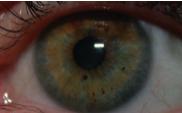
Iridology is a noninvasive method of uncovering potential health conditions, even before the symptoms arise. This is done by examining the colored area of the eye, known as the iris. Iridology has been practiced in various forms for many hundreds of years. It was initially practiced using a magnifying glass and torch, which some practitioners still use to date. Modern Iridology cameras have since been developed, enabling digital photos to be taken. This is useful as it enables both the Practitioner and the Patient to see the photos and understand better the Iridology Findings.

BIG PHARMA IS BURNING YOUR BODY. THOSE BROWN SPOTS ARE FLESH BURNS FROM PHARMACUTICALS. THE RINGS ARE DISTRESS THE BODY IS UNDER FROM THE MEDICATIONS.

THE BODY IS DIVIDED INTO SECTIONS WITHIN THE EYE. IN THE 1500S, IT WAS LEARNED THAT THE BODY TELLS YOU WHAT IS WRONG WITH IT IF YOU KNOW THE SIGNS. HERE IS A QUICK MAP.

THIS EYE IS VERY IMPORTANT BECAUSE IT SHOWS YOU THE COLON AND THE HEALTH OF THAT ORGAN. IT IS THE TREE OF LIFE AND IT AFFECTS ALL OTHER ORGANS. YOU CAN SEE THEY ARE UNDER DURESS AND SIGNALED WITH WHITE LYMPATIC POISONS.
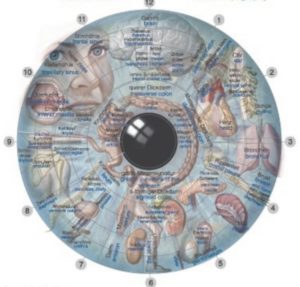 Iridologists use iridology charts to make these observations. The charts have been created after observing various irises over the years. The Iridology Charts divides the iris into zones representing certain body parts. Each marking and zone in the iris represents a different aspect or organ of the human body. Iridologists can discover some markers of inflammation in certain specific areas. For example, the brain area is between 11 and 1 o’clock in the iridology chart and the feet at 6 in the iridology chart.
Iridology is the study of the iris – the colored part of the eye – and how it shows psychological health risks and physiological conditions, challenges, and strengths of different organs.
Through iridology, we get a detailed understanding of past, present, and future health conditions. It provides indications of the body’s inherited tendencies and is a tool to assess our various body systems.
4 principles form the cornerstones of iridology:
- The condition of the nerves
- Adequate circulation
- The condition of the blood and lymph system
- Nutrition, rest quality, breathing, state of mind
An Introduction to Iridology
The science of Iridology involves analyzing the structures of your whole body through studying the iris. This is the method where an iridologist could tell you, from signs or markings in your iris, the condition of your body’s various organs and systems. These signs represent a detailed picture of the integrity of your body, different areas of congestion or toxic accumulation, constitutional potentials, and inherent challenges.
An iridology exam shows the color variation, structure, pigmentation, and other characteristics of your iris, which provide important information about your health and well-being. After analysis, the patient is empowered with a new understanding of their body and health and valuable recommendations for prevention and ongoing care.
There is a major advantage iridology has over other methods of health screening. It shows tendencies and the potential outcomes should a recipient continue living their life in a certain way. Hence, symptoms could be prevented years before they may actually occur. This preventative action may be taken to improve health and avoid the diseases that may otherwise follow.
History of Iridology
The very first clear description of iridological principles was found in the book Chromatic Medica, which was published in the year 1665 and was reprinted in 1670 and 1691. However, the very first use of Augendiagnostik (eye diagnosis) began with the ‘founding father’ of iridology, Ignaz von Peczely – a nineteenth-century Hungarian physician.
The second ‘father’ of the iridology is said to be Nils Liljequist. Suffering from the unnatural outgrowth of his lymph nodes, he observed that after receiving quinine and iodine to treat the ailment, the color of his irises changed. This observation led him to publish his book, Diagnosis of the Eye, in 1893 – an atlas of 12 color illustrations of the iris and 258 black & white illustrations.
During the early 1900s, German natural healer Pastor Immanuel Felke became one of several people responsible for the systematic development of iridology. Alongside his work as a naturopath, he practiced iris diagnosis – describing the iris structures that can help identify illnesses. His name is so well regarded in this area that the Felke Institute in Gerlingen, Germany, was named after him. It was known as one of the leading centers of iridological research & training.
Iridology became known in the USA during the 1950s. Bernard Jensen established the practice in America and gave classes in his method, which used the study of the iris to make individual judgments on bodily functions.
7 Things That Iridology Might Reveal

- Inherently strong/weak glands, organs, and tissues
- Different stages of hyperactivity /hypoactivity and inflammation
- Lymphatic system congestion
- Consequences of physical and mental stress or fatigue on the human body
- Constitutional weaknesses and strengths
- The condition of bowel tissue
- The relative ability of a gland, organ, or tissue to retain nutrients
7 Things That Iridology Might Not Identify
- Pregnancy
- Individual diseases
- The presence of fungal and candida infections
- Your levels of blood sugar and blood pressure
- Gallstones
- The drugs or medications that a person has already used and if any surgical operations have been done
- Presence of sexually transmitted disease
What Would an Iridologist Look For?
When examining the patient’s eyes, the iridologist would typically look at:
- The color of the patient’s iris
- Rings and other shadings or discolorations of the sclera
- Brightness and darkness
- Shape as well as placement of trabecular fibers
With the examination results in hand, the iridologist would compare their findings against a chart that indicates different potential health concerns that will have triggered changes in the patient’s iris. The iridologist would also take measurements over time to track the changes and the progression and regression of ailments.
What exactly is Iridology?
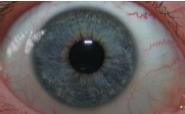 It’s the study of the irides (the plural of iris) of the eye i.e. the exposed nerve endings that make up the coloured part of the eye. These nerve endings originate in specific organs or systems and are connected to the brain. (A detailed explanation of the way effects in organs could be detected in the nerve endings was given in icon Volume 2 2006.) Similar to Reflexology where the practitioner can feel the abnormalities of the reflex nerve endings by examining the feet or hands, a trained Iridologist can instantly see a veritable Ordinance Survey map of these endings, exposing genetic inheritance, congestive and irritative zones and their various inter-connections and inter-actions within the bodily systems. In the hands of those who are well versed in the pathology of the pathways of disease, as well as Anatomy and Physiology, this provides a veritable microchip of information.
Does it work and is it accurate? The answer to both questions is an emphatic ‘yes’. Extensive research trials have been carried out in a number of countries, in one case using over 800,000 people. There is plenty of factual, scientifically based evidence.
Where does it get you though?
Well, as Iridology compliments other therapeutic sciences and provides such thorough and vital information, errors of diagnosis and treatment can be avoided. One thing Iridologists don’t do is ‘diagnose’ i.e. put a clinical name to a symptom: Firstly, it’s illegal to do so and secondly, the iris indicates the relative condition of various parts of the body i.e. their state of health or deterioration, which isn’t the same as a particular marking in the iris being specific to a given disorder. Interpretation is still a factor.
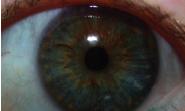 When most people look in a mirror they see the iris as a solid colour but under the magnification used by Iridologists, the thousands of individual fibres are visible. Some people are aware of various colorings, or maybe markings, in their irides. This brings us to the question, is there any real point going along to an Iridologist? Couldn’t you find all the information you need in a book? Well, you certainly could use a book if your sole purpose is to achieve no more than becoming a complete hypochondriac. The skill of an Iridologist is in interpreting the relevance of the iris markings about the individual client, which can only be achieved in conjunction with accurate and sensitive case history taking.
What sort of things might an Iridologist be able to determine? First and foremost, there’s the genetic constitution of the client, which will have its inherent tendencies. A trained Iridologist might identify around thirty different forms, varying in complexity, stemming from three basic shapes: Lymphatic, Haematogenic, and Biliary. As you might guess from its name, people with a Lymphatic figure may be predisposed to disorders of that body system associated with poor lymphatic flow and drainage. These could include low immunity, catarrh, swollen glands, coughs, or skin problems. Again, as the ‘haem’ in the name suggests, Haematogenics, while also being predisposed to poor lymphatic drainage, may be more inclined to disorders of the blood that are due to a lack of vital catalysts such as iodine or copper; this could result in problems such as anemia or endocrine gland disorders. One of the most common problems affecting Haematogenics relates to the digestive system, with inadequate digestive chemistry causing issues such as constipation, dyspepsia, flatulence, and liver or pancreatic malfunctions. The Biliary person will have inherited characteristics of both the Lymphatic and Haematogenic constitutions. Having identified ‘bad’ constitutional traits, it needs to be said that each body also has its specific strengths.
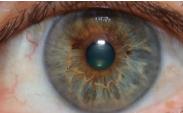 Apart from constitutional traits, an Iridologist will identify the significance of various markings or colorings that may be present in the iris. Again, the majority of such markings will be inherent features, and their relevance to the current health status of a client will be determined via the case history. One such marking on any specific organ or system, known as a ‘lacuna,’ may inhibit the flow of nutrients into those tissues and the removal of waste. For example, a cavity in the area of a kidney may hinder the eliminating of waste via the urinary system. Ideally, the body needs all four eliminatory organs to function efficiently, i.e., skin, lungs, bowels, and kidneys. If anyone under functions, there is an added burden on the others, so, in this case, poor elimination via the kidneys may result in skin disorders as that organ struggles to eliminate excess waste products. The lungs may ultimately be affected, and a typical scenario could be low oxygen levels in the bloodstream – we know that cancerous cells thrive in an anaerobic (low oxygen) environment!
Does it mean everyone with a Lymphatic constitution will have any or all of those disorders? No, not – they are simply predispositions and will generally need a trigger. Given a diet and lifestyle appropriate for the individual, they may never experience more than the average cold. If things start to go wrong, the constitutional aspects may be the contributory factor and need to be addressed.
You can probably see specific disease pathways from the above if you have just a basic knowledge of Anatomy and Physiology. If we take the Haematogenic digestive weaknesses, we start with a poor breakdown of food in the stomach and intestines, progress to constipation, then to the toxicity of the liver and pancreas, and finish up with a condition known as ‘autointoxication’ – literally ‘self-poisoning.’
 Autointoxication is a problem; more correctly, it should be described as a cause of problems. From a naturopathic viewpoint, the bowel may play a role in the development of various diseases, and digestive dysfunction may be related to virtually all chronic and degenerative conditions. But I hear you saying, “Surely all those coffee enemas will have cleared out the waste from the digestive tract.” Well, yes and no; enemas offset one of the body’s primary aging and poisoning processes. Depending on the strength and condition of the intestines, we are all susceptible to the absorption of toxins and nutrients. However, we need good bowel muscle tone, effective peristalsis, frequent bowel movements, and well-balanced bowel flora to ensure that as little waste from digestion gets into the bloodstream. Enemas can remove debris from the large intestine, but if there has been a history of sluggish bowel movements, varying degrees of garbage will have built up and become impacted on the walls of the large intestine and the small intestine.
To many people, the chief aim of the intestines appears to be to defy all attempts at achieving regular bowel movements! Let’s stop there and define the word ‘regular’. No, it doesn’t mean regularly having a bowel movement every two or three days or longer. It regularly means at least once a day, so even if you have enemas every day, if you’re not achieving a regular bowel movement, there’s a strong likelihood of autointoxication.
The iris may suggest a state of autointoxication, weak pancreatic enzyme production, an overburdened liver, or low hydrochloric acid status of the stomach. Don’t forget the gut is part of the body’s first line of defense. Adequate hydrochloric acid is needed to destroy invading microorganisms. Unfortunately, stomach acid levels tend to decline with age and may result in symptoms that people frequently mistake for over-acidity. Depending on the individual constitution, some people experience low stomach acid production at a relatively early age. Hence, they rush out and buy antacids, potentially the last thing the body needs, allowing pathogenic organisms to invade the body. Left unchecked, these problems can continue for years, adding to the toxic load on the body.
FEE PACKAGE: $200.00
A. DIAGNOSTIC WITH DR. SAM MUGZZI
B. REPORT AND EXPLINATION WITH MARILYN
C. HOMEOPATHIC REMEDIES FOR SUPPORTING BETTER HEALTH
We will do a diagnostic on the eyes, and then let you see the issues. Marilyn is a Homeopathic certified coach that can help you with substitution requirements for better health. The eyes say it all, if you know how to see it!
